Articles & Interviews
The articles & interview below highlight the research and insights of our community. Share your contributions by collaborating with ASO here. Subscribe to our free newsletter here.

Part II: Applying the Alexander Technique in Dentistry, Learning Styles and Training Contexts
In this episode, ASO team members Erica Donnison and Dr Anikó Ball return to a key theme from their earlier conversation on the Alexander Technique applied to dentistry.
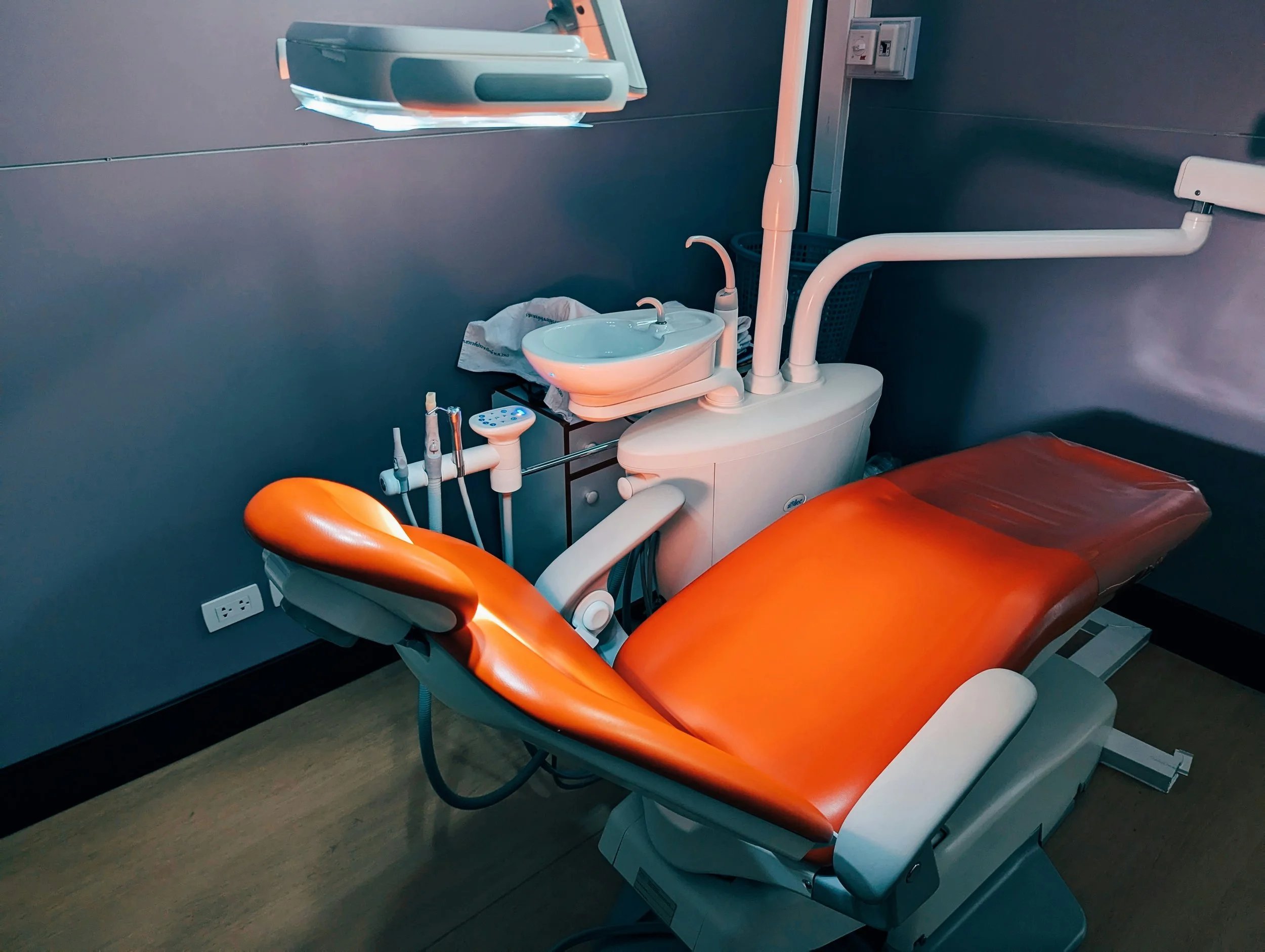
Applying the Alexander Technique in Dentistry: A Conversation with Dr Anikó Ball
In this episode, Dr Anikó Ball, dentist and Alexander Technique teacher, discusses the Alexander Technique applied to dentistry. The conversation explores common physical challenges in dental practice, the importance of working with the whole dental team to support sustainable change, and how Alexander Technique principles can help practitioners remain effective and comfortable over the long term. Anikó also reflects on past research and introduces a new project she is about to be involved with.

Part II - How can learning and using the Alexander Technique enable us to reduce and better manage chronic pain?
This month, we release part II of a conversation with researchers and Alexander teachers Mari Hodges and Tim Cacciatore, as they discuss their recent work on pain with Julia Woodman. They continue to explore the shift from a bio-medical to a bio-psycho-social model of pain, delve into potential mechanisms for pain reduction observed in research participants, and discuss future research plans.

How can learning and using the Alexander Technique enable us to reduce and better manage chronic pain?
In our 42nd ASO newsletter, researchers and Alexander teachers, Mari Hodges and Tim Cacciatore talk with Julia Woodman about their recent work on pain. They relate the revolution in pain science – from a bio-medical to a bio-psycho-social model – to how Alexander teachers can use this knowledge when working with people living with chronic (persistent) pain. This is the first of a two-part interview-based post.
Archive
-
2026
- Sep 5, 2026 Part II - Pause, Observe, Intend: Mindfulness and The Alexander Technique Sep 5, 2026
- Jul 4, 2026 Pause, Observe, Intend: Mindfulness and The Alexander Technique Jul 4, 2026
- Jun 6, 2026 Part II - AT, Movement, and Emotion: Rachelle Tsachor on LBMS and the Alexander Technique Jun 6, 2026
- May 9, 2026 AT, Movement, and Emotion: Rachelle Tsachor on LBMS and the Alexander Technique May 9, 2026
- Apr 4, 2026 Connected Conversations: Alexander Technique and Smart Yoga Apr 4, 2026
- Mar 7, 2026 Understanding AT in Higher Education Music Settings: An Interview with Federico Pendenza Mar 7, 2026
- Feb 7, 2026 Part II: Applying the Alexander Technique in Dentistry, Learning Styles and Training Contexts Feb 7, 2026
- Jan 3, 2026 Applying the Alexander Technique in Dentistry: A Conversation with Dr Anikó Ball Jan 3, 2026
-
2025
- Dec 6, 2025 ASO Annual Review - 2025 Alexander Technique Research & Insights Dec 6, 2025
- Nov 1, 2025 Alexander Technique and Trauma: Exploring the Intersection Nov 1, 2025
- Oct 4, 2025 Hands, Wrists, Fingers; Mind, Heart, Soul Oct 4, 2025
- Sep 6, 2025 Psychotherapy, Counselling, and Alexander Technique Teaching: An Interview with Brigitta Mowat Sep 6, 2025
- Jul 12, 2025 Connected Conversations: Psychotherapy and the Alexander Technique Jul 12, 2025
- Jun 7, 2025 Capturing Well-being Outcomes: The Warwick Holistic Health Questionnaire and Its Relevance to Alexander Practice Jun 7, 2025
- May 3, 2025 Connected Conversations: Exploring the Space Between – Alexander Technique and Craniosacral Therapy Practice May 3, 2025
- Apr 5, 2025 Alexander Technique, Gender, and Embodied Empowerment Apr 5, 2025
- Mar 4, 2025 Rethinking The Science of Muscle Tone - Part II Mar 4, 2025
- Feb 4, 2025 Rethinking The Science of Muscle Tone - Part I Feb 4, 2025
- Jan 7, 2025 Bridging Practice and Research: Insights for Alexander Technique from Acupuncture Care and Research Jan 7, 2025
-
2024
- Dec 3, 2024 ASO Annual Review - 2024 Alexander Technique Research & Insights Dec 3, 2024
- Nov 5, 2024 Capturing Experience: Exploring Self-Report Measures in Alexander Technique Research Nov 5, 2024
- Oct 1, 2024 Exploring the Wisdom of Senior Teachers: Ruth Rootberg on 'Living the Alexander Technique’ Oct 1, 2024
- Sep 3, 2024 Putting the body back into prayer Sep 3, 2024
- Jul 2, 2024 Time as an element in the curriculum at The Royal College of Music Jul 2, 2024
- Jun 4, 2024 Part II - How can learning and using the Alexander Technique enable us to reduce and better manage chronic pain? Jun 4, 2024
- May 7, 2024 How can learning and using the Alexander Technique enable us to reduce and better manage chronic pain? May 7, 2024
- Apr 2, 2024 In Conversation: Regina Stratil's Path to Uncovering Irene Tasker's Story Apr 2, 2024
- Mar 5, 2024 How Alexander Technique lessons can help family carers - Part II Mar 5, 2024
- Feb 6, 2024 Partnering with Poise – Research into how Alexander Technique lessons can help family carers Feb 6, 2024
- Jan 2, 2024 Acoustic and Perceptual Effects of Alexander Technique Lessons Jan 2, 2024
-
2023
- Dec 5, 2023 A Year of Exploration: Annual Review & Research Discoveries Dec 5, 2023
- Nov 7, 2023 Restoring carers to themselves through the Alexander Technique Nov 7, 2023
- Oct 3, 2023 Opera and Alexander Technique: What are the connections? Oct 3, 2023
- Sep 5, 2023 An Interview with Monika Gross: Alexander Technique Research & Collaboration Sep 5, 2023
- Jul 4, 2023 Why research the Alexander Technique? Jul 4, 2023
- Jun 6, 2023 Soma in the City: How does listening and responding to a ‘somatic podcast’ drawing on the Alexander Technique, affect one’s relationship with urban space? Jun 6, 2023
- May 2, 2023 Why have a curriculum for an experiential practice? May 2, 2023
- Apr 4, 2023 Lighten Up! A conversation with Rajal Cohen - Part II Apr 4, 2023
- Mar 7, 2023 Lighten Up! A conversation with Rajal Cohen - Part I Mar 7, 2023
- Feb 7, 2023 Embodied practices, the Alexander Technique, and self-compassion: An interview with Lisa Harris Feb 7, 2023
- Jan 3, 2023 ‘What on earth do we do with this data?’ Two experiences of writing up research for publication Jan 3, 2023
-
2022
- Nov 1, 2022 Alexander Technique group lessons in an exercise program for women following treatment for breast cancer: An Interview with Alazne Larrinaga Nov 1, 2022
- Oct 4, 2022 A New Alexander Technique Publication in the British Medical Journal on Low Back Pain: An Interview with Carolyn Nicholls Oct 4, 2022
- Sep 6, 2022 The Healthy Young Musician Project: Alexander Technique Research at the Royal Academy of Music Sep 6, 2022
- Aug 2, 2022 Violin, Science, and the Alexander Technique: An Interview with Researcher Alison Loram and Special Guests Aug 2, 2022
- Jul 5, 2022 Is it time to take stock of Alexander Teacher education? Research offers the means whereby. Jul 5, 2022
- Jun 7, 2022 A Technique for Musicians Jun 7, 2022
- May 3, 2022 Psychological and other ‘non-physical’ changes following Alexander Technique lessons May 3, 2022
- Apr 5, 2022 Finale - Working With Musicians: Application of The Alexander Technique to Music Making Part III Apr 5, 2022
- Mar 1, 2022 Working With Musicians - Application of The Alexander Technique to Music Making Part II Mar 1, 2022
- Feb 1, 2022 Working With Musicians - The Application of The Alexander Technique to Music Making Part I Feb 1, 2022
- Jan 4, 2022 One year into the Alexander Studies Online project - how are we doing? Jan 4, 2022
-
2021
- Dec 7, 2021 How Women Use The Alexander Technique In The First Year After Birth Part III Dec 7, 2021
- Nov 2, 2021 How Women Use The Alexander Technique In The First Year After Birth Part II Nov 2, 2021
- Oct 5, 2021 How Women Use The Alexander Technique In The First Year After Birth Oct 5, 2021
- Sep 7, 2021 Building a new, open-access database of Alexander Technique research. Sep 7, 2021
- Aug 3, 2021 Looking both ways: A new teacher’s perspective on uncertainty Aug 3, 2021
- Jul 20, 2021 ATLAS commentary Parts III and IV Jul 20, 2021
- Jul 6, 2021 ATLAS commentary Parts I & II Jul 6, 2021
- Jun 1, 2021 Potential Mechanisms of the Alexander Technique: Toward a Comprehensive Neurophysiological Model Jun 1, 2021
- May 4, 2021 ATEAM Commentary Part II May 4, 2021
- Apr 5, 2021 ATEAM for back pain trial: Commentary Part I Apr 5, 2021
- Mar 2, 2021 Learning from People Living with Parkinson’s Disease: Ten tips from the field Mar 2, 2021
- Feb 2, 2021 Disciplined inquiry and the Alexander Technique teacher: What is it, why do it? Feb 2, 2021
- Jan 27, 2021 Pt. II of Supporting People with Dementia: a Role for Alexander Technique Teachers? Jan 27, 2021
- Jan 27, 2021 Pt. I of Supporting People with Dementia: a Role for Alexander Technique Teachers? Jan 27, 2021
- Jan 5, 2021 ASO Newsletter - 2nd edition Jan 5, 2021
-
2020
- Dec 1, 2020 The ASO Newsletter - 1st edition Dec 1, 2020
- Oct 18, 2020 Welcome: An Overview of ASO Oct 18, 2020